Speakers
Conference Theme Speaker

Professor Emeritus Dr. Tajmeri S. A. Islam
Former Professor, Department of Chemistry, University of Dhaka, Bangladesh
Plenary Speakers
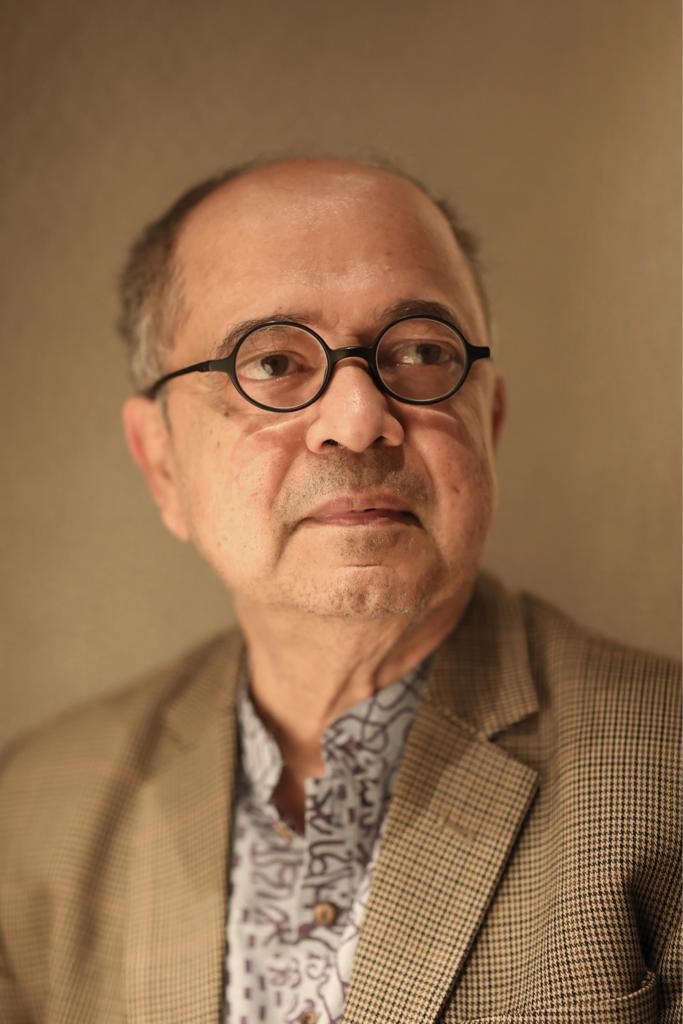
Dr. Abed Chaudhury
Geneticist & Agricultural Scientist (Australia / Bangladesh)
Lecture Title
How My Early Chemistry Education under Prof. Ali Nawab Led to a Global Career in Biological Sciences
Biography
Dr. Abed Chaudhury is an internationally recognized geneticist, innovator, and agricultural scientist known for his pioneering work in plant molecular biology and seed development. With a foundational background in chemistry, his global research career has spanned prominent scientific institutions and research environments in the USA, France, Australia, and Asia. He has consistently applied his foundational knowledge of chemistry to his scientific research and innovations, including a major discovery in organohalide chemistry. He is widely celebrated for his contributions to agricultural biotechnology, epigenetic regulation in plants, and sustainable farming solutions. His development of Panchabrihi rice also reflects how he applies his interdisciplinary knowledge, including chemistry, to agricultural innovation.
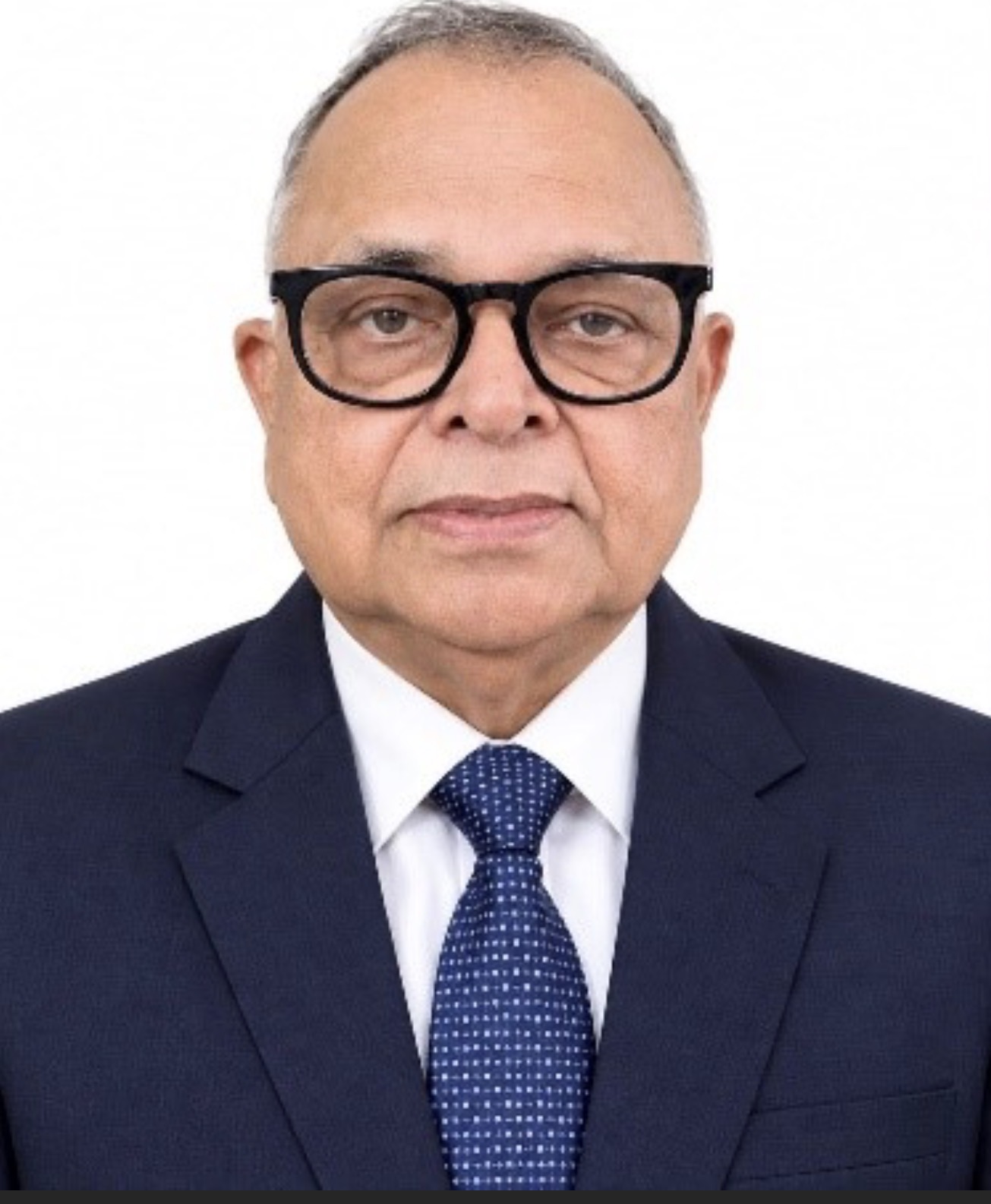
Professor Emeritus N. B. Singh
Sharda University, Greater Noida, India
Lecture Title
Green Nanomaterials for a Sustainable Future
Biography
Prof. N. B. Singh is an Emeritus Professor at Sharda University, India, and a distinguished researcher in solid-state chemistry, nanomaterials, cement chemistry, thermodynamics, and water purification. Formerly Head of Chemistry and Dean of Science at Deen Dayal Upadhyaya Gorakhpur University, he has extensive international research experience, including collaborations in Germany and Belgium. He has published over 360 research articles, 116 book chapters, and 18 books, with more than 18,500 Google Scholar citations and an h-index of 54. He is President of IASSCS and has received numerous national and international honours.
Lecture Abstract
The lecture highlights the role of surface chemistry and colloidal science in developing sustainable nanomaterials. It focuses on plant-mediated green synthesis and the surface, structural, and functional properties of Ag, ZnO, CuO, TiO₂, and SiO₂ nanoparticles. Their applications in healthcare, environmental remediation, catalysis, sensing, and energy technologies are discussed. Key challenges, including scalability, reproducibility, environmental safety, and surface-chemistry control, are also addressed, emphasizing the potential of green nanomaterials for sustainable technological development.
Keynote Speakers
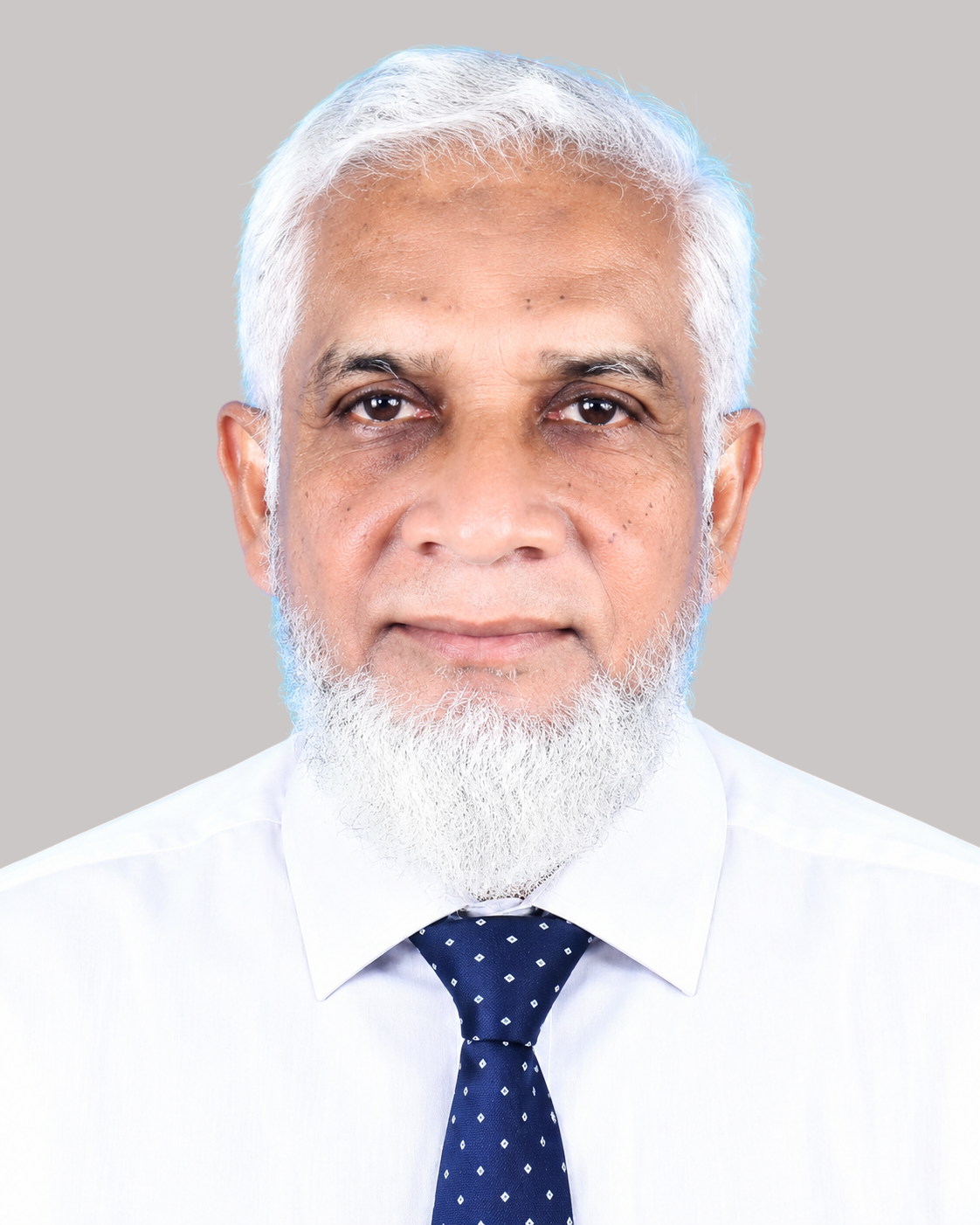
Professor Dr. Talib M. Albayati
Department of Chemical Engineering, University of Technology, Iraq
Professor Dr. Hasan Ahmed
Department of Chemistry, University of Rajshahi, Bangladesh
Lecture Title
Preparation of Composite Biomaterials from Low-cost Cellulose Fiber for Some Technologically Advanced Applications
Biography
Professor Dr. Hasan Ahmed is a Professor in the Department of Chemistry, University of Rajshahi. He obtained his Doctor of Engineering in Materials Science from Kobe University, Japan, in 1997. He subsequently conducted postdoctoral and research work at institutions including the Max Planck Institute of Colloids and Interfaces, Germany, GIST, South Korea, and the University of Sheffield, UK. His research interests include polymer colloids, functional polymer particles, nanocomposites, conducting polymers, and energy-storage materials. He has published extensively and supervised MSc, MPhil, and PhD researchers. He has received several academic honours, including the UGC Gold Medal and Dean’s Awards.
Lecture Abstract
This lecture will present a sustainable materials journey from natural cellulose to functional nanocomposites and advanced carbon materials. The speaker will highlight how low-cost rice straw and jute can be transformed into value-added materials through chemical functionalization, green nanoparticle synthesis, and environmentally friendly carbonization. Rice-straw-derived nanocrystalline cellulose will be discussed as a platform for Ag–ZnO and Au nanoparticle integration, focusing on interfacial coordination, stability, antimicrobial activity, and electrochemical sensing. The lecture will then extend to jute-derived lightweight, porous, hollow carbon microfibers, demonstrating their potential for sensing, pollutant adsorption, energy storage, catalysis, and advanced engineering applications.
Invited Speakers
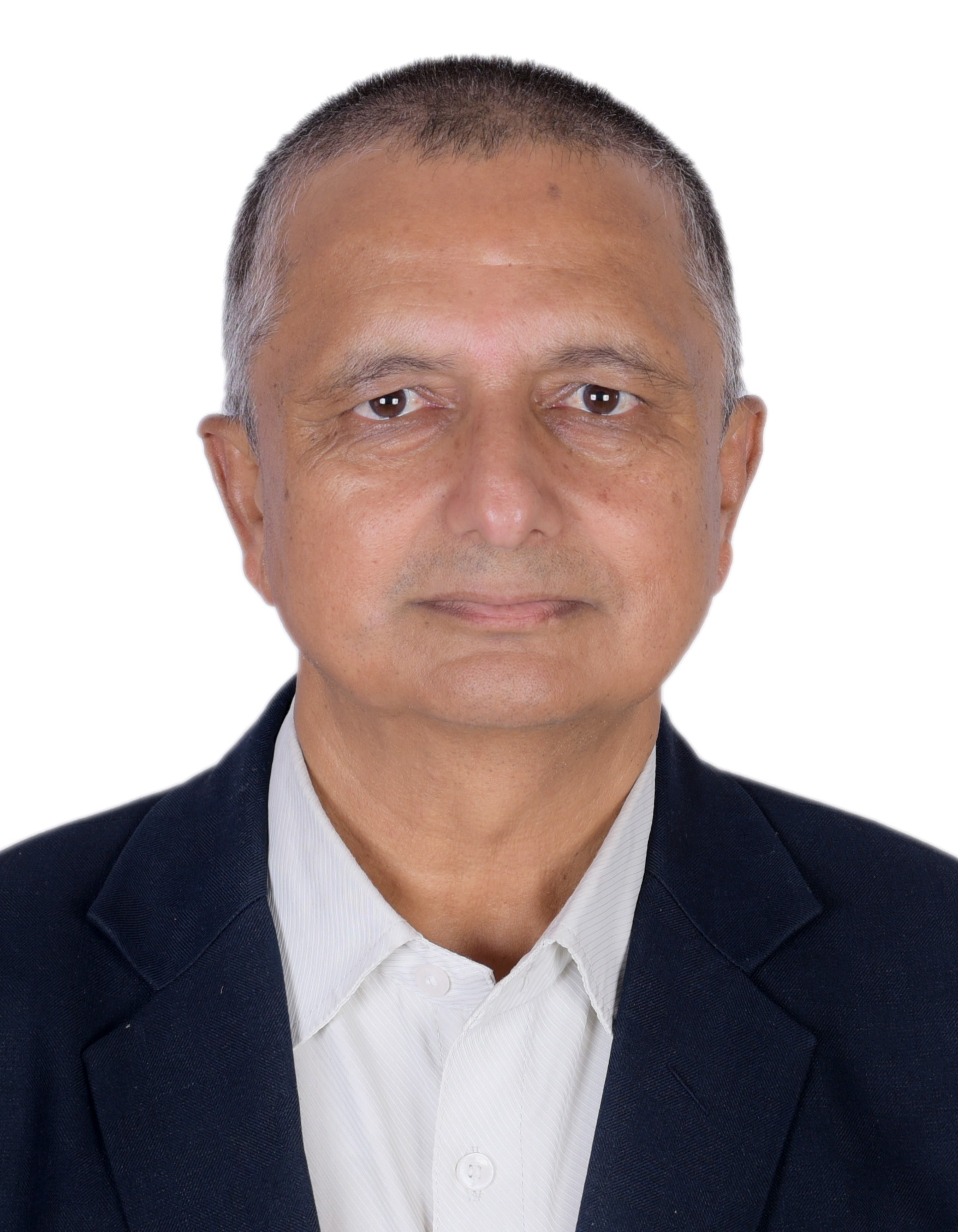
Dr. Hari Sharan Adhikari
Assistant Professor of Chemistry, Department of Applied Sciences, Institute of Engineering, Tribhuvan University, Pokhara, Nepal
Lecture Title
Surface Activation of Eulaliopsis binata Membranes via Lignosulfonate Cross-Linking for Controlled Wettability and High-Flux Microplastic Remediation
Biography
Dr. Hari Sharan Adhikari is an Assistant Professor of Chemistry at Tribhuvan University, Nepal, and President of the Nepal Polymer Institute. He earned his MSc and PhD in Chemistry from Tribhuvan University, conducting his doctoral research as an INSA Fellow at the Indian Institute of Science, Bangalore. His research spans synthetic bio-inorganic chemistry, chitosan-based biopolymers, green chemistry, natural fibre-based materials, and anticancer drug design. He is an active international researcher, collaborator, invited speaker, and contributor to IUPAC and global materials science forums.
Lecture Abstract
This lecture will explore the journey from natural biopolymers to functional materials for biomedical and sustainable applications. Dr. Adhikari will highlight how chitosan can be chemically modified and engineered to develop advanced biomaterials with tailored properties. The discussion will focus on functional chitosan derivatives, polymeric systems, and metal-complex-based materials, with applications in anticancer research, drug design, and biomedicine. The lecture will demonstrate how polymer chemistry and molecular interactions can transform renewable polymers into versatile materials for emerging technological and health challenges.
Professor Dr. Md. Abu Bin Hasan Susan
Department of Chemistry, University of Dhaka, Bangladesh
Lecture Title
From Colloidal Chemistry to Harnessing Nanoreactors: A Paradigm Shift in Nanoparticle Engineering
Biography
Prof. Dr. Md. Abu Bin Hasan Susan is a distinguished Professor of Chemistry at the University of Dhaka, whose research encompasses physical chemistry, colloidal and interfacial science, electrochemistry, microemulsions, and nanomaterials. His research has particularly explored self-assembled colloidal systems as versatile platforms for nanoparticle synthesis and materials fabrication, including the development of microemulsion-based nanoreactors and electrochemical approaches to nanostructured materials. His work bridges fundamental understanding of molecular self-assembly and interfacial phenomena with the controlled synthesis of advanced functional materials.
Lecture Abstract
This lecture will present a conceptual journey from colloidal self-assembly to engineered nanoreactors for controlled nanoparticle formation. Prof. Susan will illustrate how micelles, reverse micelles, and microemulsions create confined interfacial environments that regulate nucleation, growth, particle size, morphology, and aggregation. The discussion will then extend this nanoreactor concept from chemical synthesis to electrochemical nanofabrication, highlighting the role of colloidal interfaces in controlling mass transport, electron transfer, and nanostructured deposition. The lecture will demonstrate how the principles of surface chemistry and colloidal organization can be harnessed to transform nanoscale reaction environments into powerful tools for precision nanoparticle engineering.
Professor Dr. Mohammad Abul Hossain
Department of Chemistry, University of Dhaka, Bangladesh